Duty
The 9/11 generation answered the call.
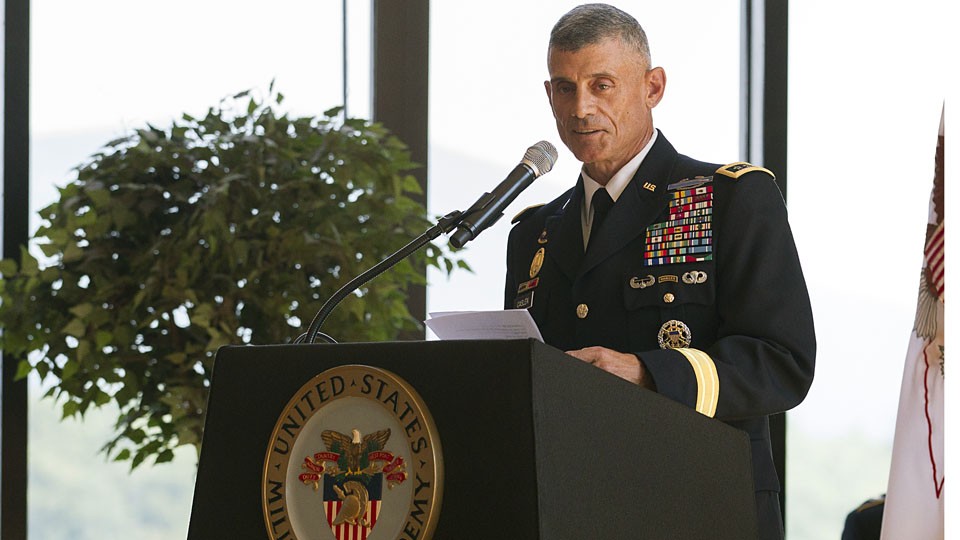
Former Superintendent Robert Caslen describes Americans from different backgrounds who volunteered after September 11 and found shared purpose in service.
Read Gen. Caslen’s reflection
FROM THE LONG GRAY LINE
“May Duty, Honor, Country ever be.”
UNITED STATES MILITARY ACADEMY · WEST POINT
Co-written by COL H.D. “Doug” McInvale ’93 and Master Sgt. Michael Reifenberg
USMA aerial B-roll: Carmine Cocchia / USMA at West Point / DVIDS · 2020 · Public domain
OFFICIAL WEST POINT RECORDING · MARCH 6, 2019
“Duty, Honor, Country” as performed by the West Point Glee Club, is an original song written by Col. H.D. McInvale and Master Sgt. Michael Reifenberg. Recorded on March 6th, 2019. Directed by Constance Chase. Produced and engineered by the West Point Band, with video by West Point PAO’s Cadet Media Group.
APPROVED MASTER · THREE CHIMES FOR DUTY, HONOR, COUNTRYWest Point Glee Club · March 6, 2019
Directed by Constance Chase. Produced and engineered by the West Point Band, with video by West Point PAO’s Cadet Media Group.
THE ARTISTS AND WARRIORS WHO CREATED THE SONG
“Duty, Honor, Country” brought together a West Point graduate and singing soldier with a West Point Band composer and arranger. COL H.D. “Doug” McInvale ’93 and MSG Michael Reifenberg shaped the words and music through a collaboration between the Long Gray Line and the professional musicians who give the Army its ceremonial voice.
CO-WRITER · WORDS & MUSIC · SIX PACK
A graduate of the United States Military Academy and a member of Six Pack, Doug McInvale brought the motto’s lived meaning to the composition. His Army service included a return to West Point as a mathematics professor. As a vocalist with deep ties to Academy music, he became known as the “Country Colonel.” In 2018, he helped turn the words cadets carry for life into a song of remembrance, duty, and fellowship.
DIRECTOR · WEST POINT GLEE CLUB · OFFICIAL RECORDING
Constance “Connie” Chase has directed the West Point Glee Club since 1999. She prepared and conducted the cadet singers for the March 6, 2019 recording of “Duty, Honor, Country,” bringing the co-writers’ score into the performance preserved on this site. During her tenure, the Glee Club has performed at Carnegie Hall, Lincoln Center, Tanglewood, and the Kennedy Center and has produced national broadcasts and recordings. Chase also co-authored Prescriptions for Choral Excellence.
CO-WRITER · COMPOSER & ARRANGER · WEST POINT BAND
Michael Reifenberg joined the West Point Band in 2005 as a jazz saxophonist and woodwind doubler and now performs with its Concert and Marching Bands. The official Band profile credits the avid composer and arranger with more than 300 works. His family’s Academy connections and his command of the Band’s musical language made him a natural partner in giving “Duty, Honor, Country” a melody built to last.
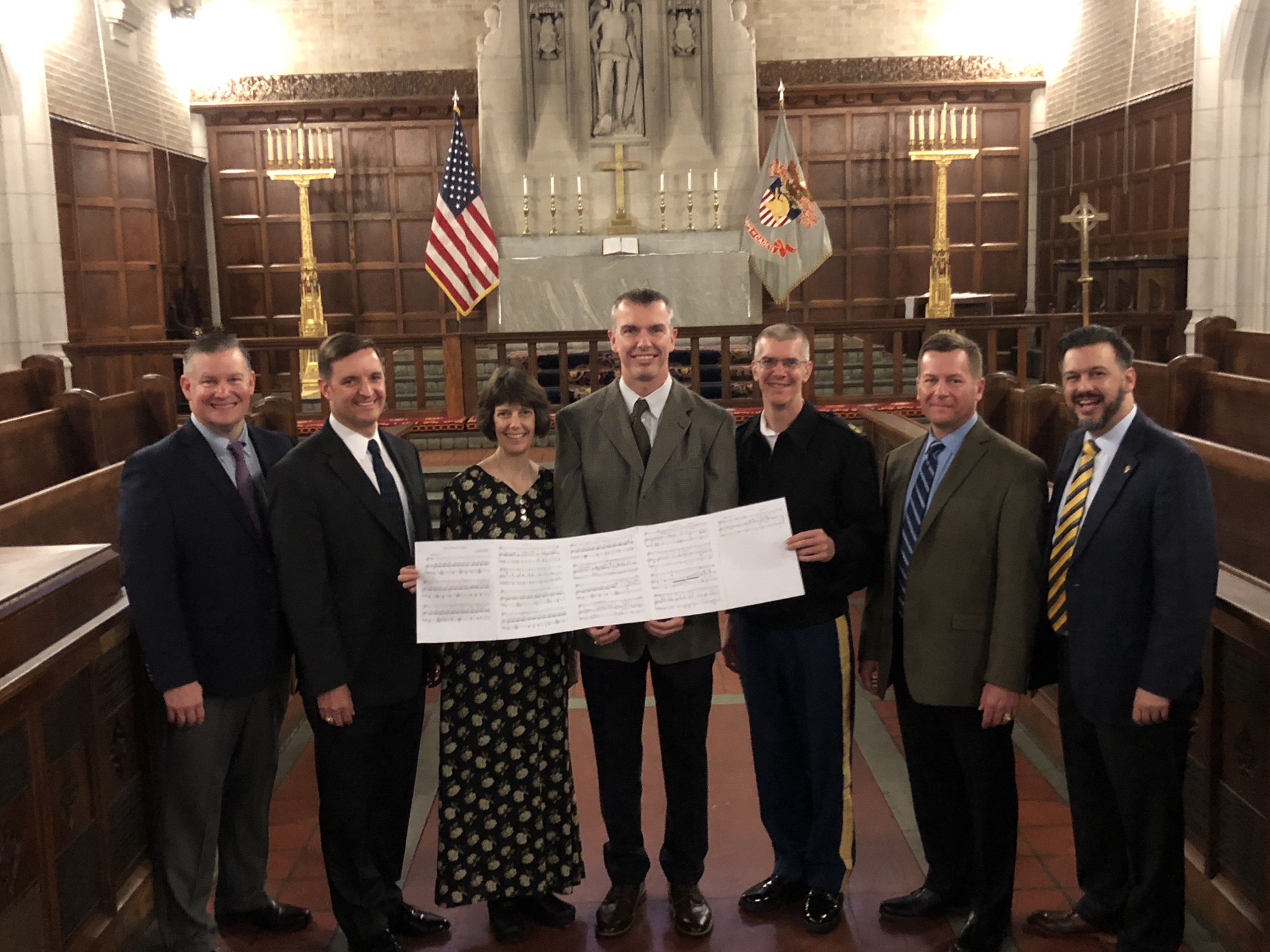
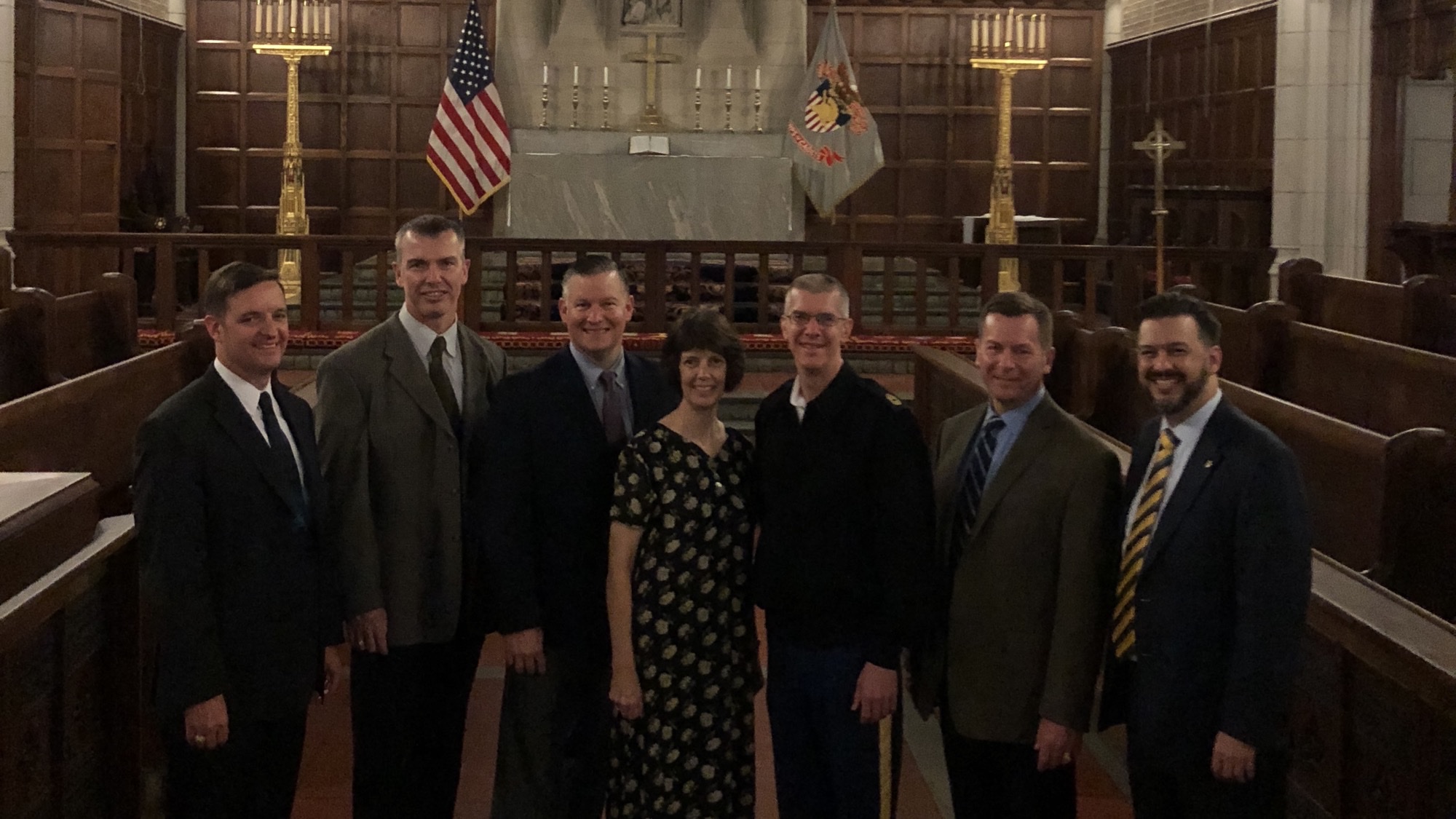
With Six Pack. Pictured from left to right: COL H.D. “Doug” McInvale ’93; LTC Drew Syphus ’93; Ruthann Schempf, accompanist; CPT Michael Keown ’93; MSG Michael Reifenberg; CPT John Frederick ’93; and MAJ Paul Lima ’93, ’95. Not pictured: LTC Don Williamson ’94 and COL Darryl A. Rupp ’93.
Ruthann Schempf accompanied the West Point Glee Club—and Six Pack—during the group’s cadet years in the early 1990s. When Six Pack returned to the Cadet Chapel to premiere “Duty, Honor, Country” in 2018, they invited their longtime accompanist back to the piano. She is pictured at the center of this photograph with the composers and singers.
A West Point musical lineage. Ruthann’s father, William H. Schempf, became the Academy’s 13th and final Teacher of Music in 1957 and led the West Point Band through an influential era. The official Band history credits him with establishing the permanent Trophy Point summer-concert location, organizing its first documented football halftime performances, and encouraging new jazz and popular ensembles. During his tenure, Paul Lima’s father—a USMA ’67 graduate and Glee Club singer—performed within that same West Point musical tradition.
Explore William H. Schempf’s place in West Point Band history ↗
THE PERFORMANCE
Preserved by Six Pack, this archival recording is presented as the group’s first performance of the song—the first time these words were sung to this melody.
ARCHIVAL VIDEOSix Pack performs “Duty, Honor, Country”
First-performance recording preserved by Paul Lima ·
FROM MOTTO TO MELODY
For more than a century, West Point has carried its ideals in song. “The Corps” first sounded in the Cadet Chapel tradition in 1910. “Alma Mater” followed into West Point’s musical life. In 2018, COL H.D. “Doug” McInvale and MSG Michael Reifenberg gave the Academy motto a melody of its own.
Six Pack gave “Duty, Honor, Country” its first voice on November 2, 2018, during a memorial service for fallen officers of the Class of 1993. The West Point Glee Club recorded it the following year under Constance Chase, with production by the West Point Band. The recording carried a memorial gift toward future generations.
The song debuted at the Memorial Service in memory of the fallen officers from the Class of 1993. “Singing these words, in that soaring Chapel, with my brothers, to honor our Fallen, along with the parents, spouses and children of our deceased classmates is a reminder that our commitment to serve our Country is very much alive,” said Colonel McInvale, also known as the "Country Colonel" because of his contributions to performances with the West Point band as a country vocalist.
A LONG GRAY LINE OF SONG1802 — TODAY
Congress formally establishes the United States Military Academy at West Point.
CONTEXT · 1802The Academy begins its national mission to educate and develop leaders for the Army.
“Duty, Honor, Country” becomes the Academy’s official motto.
CONTEXT · 1898The three words enter West Point’s seal, identity, and the moral vocabulary carried by generations of graduates.
“The Corps” is sung at the closing of the Old Cadet Chapel.
CONTEXT · 1910A West Point musical tradition takes root in a farewell to sacred Academy space.
“Alma Mater,” written by Paul S. Reinecke, is first sung as a hymn.
CONTEXT · 1911The song joins Academy life and becomes one of the voices of the Long Gray Line.
MacArthur delivers his Thayer Award address.
CONTEXT · 1962His “Duty, Honor, Country” speech gives the motto its most famous public charge.
Six Pack first sings together at Plebe Parent Weekend.
CONTEXT · 1989A cadet singing group begins a brotherhood that will endure through careers, war, family, and reunion.
Six Pack premieres the new song at the Class of 1993 memorial service.
CONTEXT · 2018The motto receives a melody in the Cadet Chapel, offered in memory of fallen classmates and for future generations.
The West Point Glee Club and West Point Band record the song.
CONTEXT · 2019Under Constance Chase, cadet voices and Band production carry the composition into the Academy’s living musical archive.
WHY THE MOTTO STILL CALLS US TODAY
Duty
Former Superintendent Robert Caslen describes Americans from different backgrounds who volunteered after September 11 and found shared purpose in service.
Read Gen. Caslen’s reflectionHonor
Gallup’s 2026 reporting shows the trust Americans place in military service and veterans. Soldiers and veterans build that reputation through conduct, competence, sacrifice, and their relationship with the people the Army serves.
Review the Gallup findingsCountry
The West Point Association of Graduates’ 2035 Strategic Plan describes an enduring link rooted in trust, respect, and shared purpose. The plan supports graduates across a lifetime of service.
Open the WPAOG 2035 Strategic PlanThe Living Line
A songbook carries an inheritance. Words and melody pass from one class to the next, honor the fallen, and prepare the voices still to come.
May Duty, Honor, Country ever be.
THE WORDS BEFORE THE MUSIC
On May 12, 1962, General of the Army Douglas MacArthur returned to West Point to accept the Sylvanus Thayer Award and address the Corps of Cadets.
His address gave the Academy motto its most famous public expression. MacArthur described the three words as a moral code, a guidepost, and a rallying point—one that builds character, steadies courage, and binds the living Corps to the generations that came before. The song belongs in that continuum.
THAYER AWARD ADDRESS · GENERAL DOUGLAS MACARTHUR
West Point · May 12, 1962
General Westmoreland, General Groves, distinguished guests, and gentlemen of the Corps,
As I was leaving the hotel this morning, a doorman asked me, “Where are you bound for, General?” and when I replied, “West Point,” he remarked, “Beautiful place: have you ever been there before?”
No human being could fail to be deeply moved by such a tribute as this, coming from a profession I have served so long and a people I have loved so well. It fills me with an emotion I cannot express. But this award is not intended primarily to honor a personality, but to symbolize a great moral code—the code of conduct and chivalry of those who guard this beloved land of culture and ancient descent. That is the animation of this medallion.
For all eyes and for all time, it is an expression of the ethics of the American soldier. That I should be integrated in this way with so noble an ideal, arouses a sense of pride and yet of humility which will be with me always.
“Duty, Honor, Country”—those three hallowed words reverently dictate what you ought to be, what you can be, what you will be. They are your rallying point to build courage when courage seems to fail, to regain faith when there seems to be little cause for faith, to create hope when hope becomes forlorn.
Unhappily, I possess neither that eloquence of diction, that poetry of imagination, nor that brilliance of metaphor to tell you all that they mean.
The unbelievers will say they are but words, but a slogan, but a flamboyant phrase. Every pedant, every demagogue, every cynic, every hypocrite, every troublemaker, and, I am sorry to say, some others of an entirely different character, will try to downgrade them even to the extent of mockery and ridicule.
But these are some of the things they do. They build your basic character. They mold you for your future roles as the custodians of the nation’s defense. They make you strong enough to know when you are weak, and brave enough to face yourself when you are afraid.
They teach you to be proud and unbending in honest failure, but humble and gentle in success; not to substitute words for action; not to seek the path of comfort, but to face the stress and spur of difficulty and challenge; to learn to stand up in the storm, but to have compassion on those who fall; to master yourself before you seek to master others; to have a heart that is clean, a goal that is high; to learn to laugh, yet never forget how to weep; to reach into the future, yet never neglect the past; to be serious, yet never take yourself too seriously; to be modest so that you will remember the simplicity of true greatness, the open mind of true wisdom, the meekness of true strength.
They give you a temper of the will, a quality of the imagination, a vigor of the emotions, a freshness of the deep springs of life, a temperamental predominance of courage over timidity, an appetite for adventure over love of ease.
They create in your heart the sense of wonder, the unfailing hope of what next, and the joy and inspiration of life. They teach you in this way to be an officer and a gentleman.
And what sort of soldiers are those you are to lead? Are they reliable? Are they brave? Are they capable of victory?
Their story is known to all of you. It is the story of the American man at arms. My estimate of him was formed on the battlefield many, many years ago, and has never changed. I regarded him then, as I regard him now, as one of the world’s noblest figures; not only as one of the finest military characters, but also as one of the most stainless.
His name and fame are the birthright of every American citizen. In his youth and strength, his love and loyalty, he gave all that mortality can give. He needs no eulogy from me, or from any other man. He has written his own history and written it in red on his enemy’s breast.
But when I think of his patience under adversity, of his courage under fire, and of his modesty in victory, I am filled with an emotion of admiration I cannot put into words. He belongs to history as furnishing one of the greatest examples of successful patriotism. He belongs to posterity as the instructor of future generations in the principles of liberty and freedom. He belongs to the present, to us, by his virtues and by his achievements.
In twenty campaigns, on a hundred battlefields, around a thousand campfires, I have witnessed that enduring fortitude, that patriotic self-abnegation, and that invincible determination which have carved his statue in the hearts of his people. From one end of the world to the other, he has drained deep the chalice of courage.
As I listened to those songs, in memory’s eye I could see those staggering columns of the First World War, bending under soggy packs on many a weary march, from dripping dusk to drizzling dawn, slogging ankle-deep through the mire of shell-pocked roads, to form grimly for the attack, blue-lipped, covered with sludge and mud, chilled by the wind and rain, driving home to their objective, and for many, to the judgment seat of God.
I do not know the dignity of their birth, but I do know the glory of their death. They died unquestioning, uncomplaining, with faith in their hearts, and on their lips the hope that we would go on to victory.
Always for them: Duty, Honor, Country.
Always their blood, and sweat, and tears, as we sought the way and the light and the truth. And twenty years after, on the other side of the globe, again the filth of murky foxholes, the stench of ghostly trenches, the slime of dripping dugouts, those broiling suns of relentless heat, those torrential rains of devastating storms, the loneliness and utter desolation of jungle trails, the bitterness of long separation of those they loved and cherished, the deadly pestilence of tropical disease, the horror of stricken areas of war.
Their resolute and determined defense, their swift and sure attack, their indomitable purpose, their complete and decisive victory—always victory, always through the bloody haze of their last reverberating shot, the vision of gaunt, ghastly men, reverently following your password of Duty, Honor, Country.
The code which those words perpetuate embraces the highest moral law and will stand the test of any ethics or philosophies ever promoted for the uplift of mankind. Its requirements are for the things that are right, and its restraints are from the things that are wrong. The soldier, above all other men, is required to practice the greatest act of religious training: sacrifice.
In battle and in the face of danger and death, he disposes those divine attributes which his Maker gave when he created man in His own image. No physical courage and no brute instinct can take the place of the divine help which alone can sustain him. However hard the incidents of war may be, the soldier who is called upon to offer and to give his life for his country is the noblest development of mankind.
You now face a new world, a world of change. The thrust into outer space of the satellite spheres and missiles mark a beginning of another epoch in the long story of mankind. In the five or more billions of years the scientists tell us it has taken to form the earth, in the three or more billion years of development of the human race, there has never been a more abrupt or staggering evolution.
We deal now, not with things of this world alone, but with the illimitable distances and as yet unfathomed mysteries of the universe. We are reaching out for a new and boundless frontier.
We speak in strange terms: of harnessing the cosmic energy; of making winds and tides work for us; of creating unheard synthetic materials to supplement or even replace our old standard basics; to purify sea water for our drink; of mining the ocean floors for new fields of wealth and food; of disease preventatives to expand life into the hundreds of years; of controlling the weather for a more equitable distribution of heat and cold, of rain and shine; of spaceships to the Moon; of the primary target in war, no longer limited to the armed forces of an enemy, but instead to include his civil populations; of ultimate conflict between a united human race and the sinister forces of some other planetary galaxy; of such dreams and fantasies as to make life the most exciting of all time.
And through all this welter of change and development your mission remains fixed, determined, inviolable. It is to win our wars. Everything else in your professional career is but corollary to this vital dedication. All other public purposes, all other public projects, all other public needs, great or small, will find others for their accomplishment; but you are the ones who are trained to fight.
Yours is the profession of arms, the will to win, the sure knowledge that in war there is no substitute for victory, that if you lose, the Nation will be destroyed, that the very obsession of your public service must be Duty, Honor, Country.
Others will debate the controversial issues, national and international, which divide men’s minds. But serene, calm, aloof, you stand as the Nation’s war guardians, as its lifeguards from the raging tides of international conflict, as its gladiators in the arena of battle. For a century and a half you have defended, guarded and protected its hallowed traditions of liberty and freedom, of right and justice.
Let civilian voices argue the merits or demerits of our processes of government: whether our strength is being sapped by deficit financing indulged in too long, by federal paternalism grown too mighty, by power groups grown too arrogant, by politics grown too corrupt, by crime grown too rampant, by morals grown too low, by taxes grown too high, by extremists grown too violent; whether our personal liberties are as firm and complete as they should be; these great national problems are not for your professional participation or military solution.
Your guidepost stands out like a tenfold beacon in the night: Duty, Honor, Country.
You are the leaven which binds together the entire fabric of our national system of defense. From your ranks come the great captains who hold the Nation’s destiny in their hands the moment the war tocsin sounds.
The Long Gray Line has never failed us. Were you to do so, a million ghosts in olive drab, in brown khaki, in blue and gray, would rise from their white crosses, thundering those magic words: Duty, Honor, Country.
This does not mean that you are warmongers. On the contrary, the soldier above all other people prays for peace, for he must suffer and bear the deepest wounds and scars of war. But always in our ears ring the ominous words of Plato, that wisest of all philosophers: “Only the dead have seen the end of war.”
The shadows are lengthening for me. The twilight is here. My days of old have vanished—tone and tint. They have gone glimmering through the dreams of things that were. Their memory is one of wondrous beauty, watered by tears and coaxed and caressed by the smiles of yesterday. I listen then, but with thirsty ear, for the witching melody of faint bugles blowing reveille, of far drums beating the long roll.
In my dreams I hear again the crash of guns, the rattle of musketry, the strange, mournful mutter of the battlefield. But in the evening of my memory always I come back to West Point. Always there echoes and re-echoes: Duty, Honor, Country.
Today marks my final roll call with you. But I want you to know that when I cross the river, my last conscious thoughts will be of the Corps, and the Corps, and the Corps.
I bid you farewell.
Transcript checked against the recorded-address transcription at LacusCurtius / Bill Thayer ↗
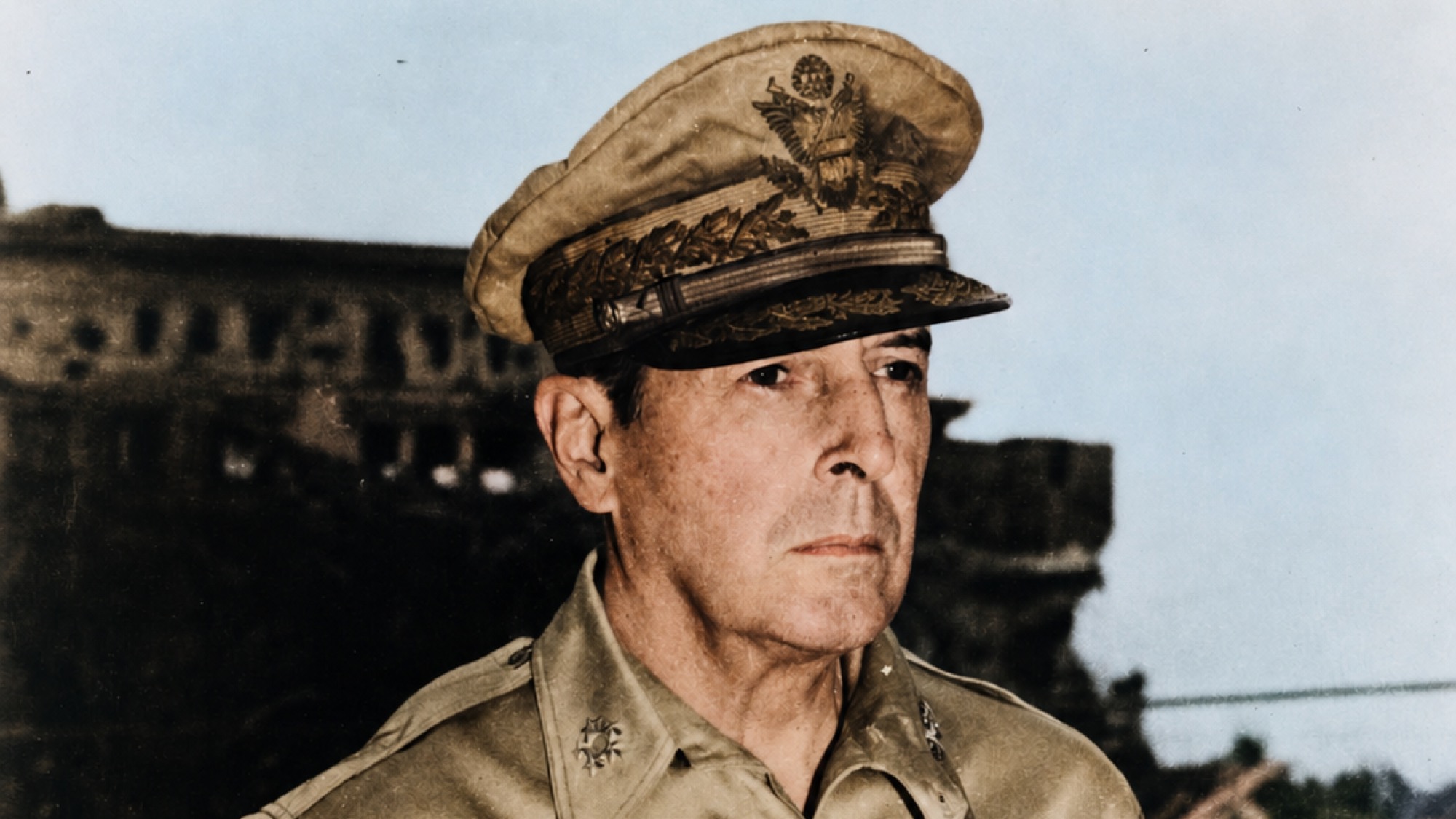
General of the Army Douglas MacArthur · West Point · May 12, 1962
“Duty, Honor, Country”—those three hallowed words reverently dictate what you ought to be, what you can be, what you will be.

The official West Point Band rendering of “Duty, Honor, Country,” preserved in the creators’ archive. Press play, then follow the complete lyric below.
♪ OFFICIAL SOUNDTRACK · WEST POINT BAND · 2:33
If your browser blocks sound on scroll, select Play once. The recording will then remain synchronized with your journey through the lyrics.

At that mighty river’s curve,
A place that forges those who serve;

Its armored oath etched in history,
May Duty, Honor, Country ever be.

Defenders of the free arise,
Duty calls for sacrifice;
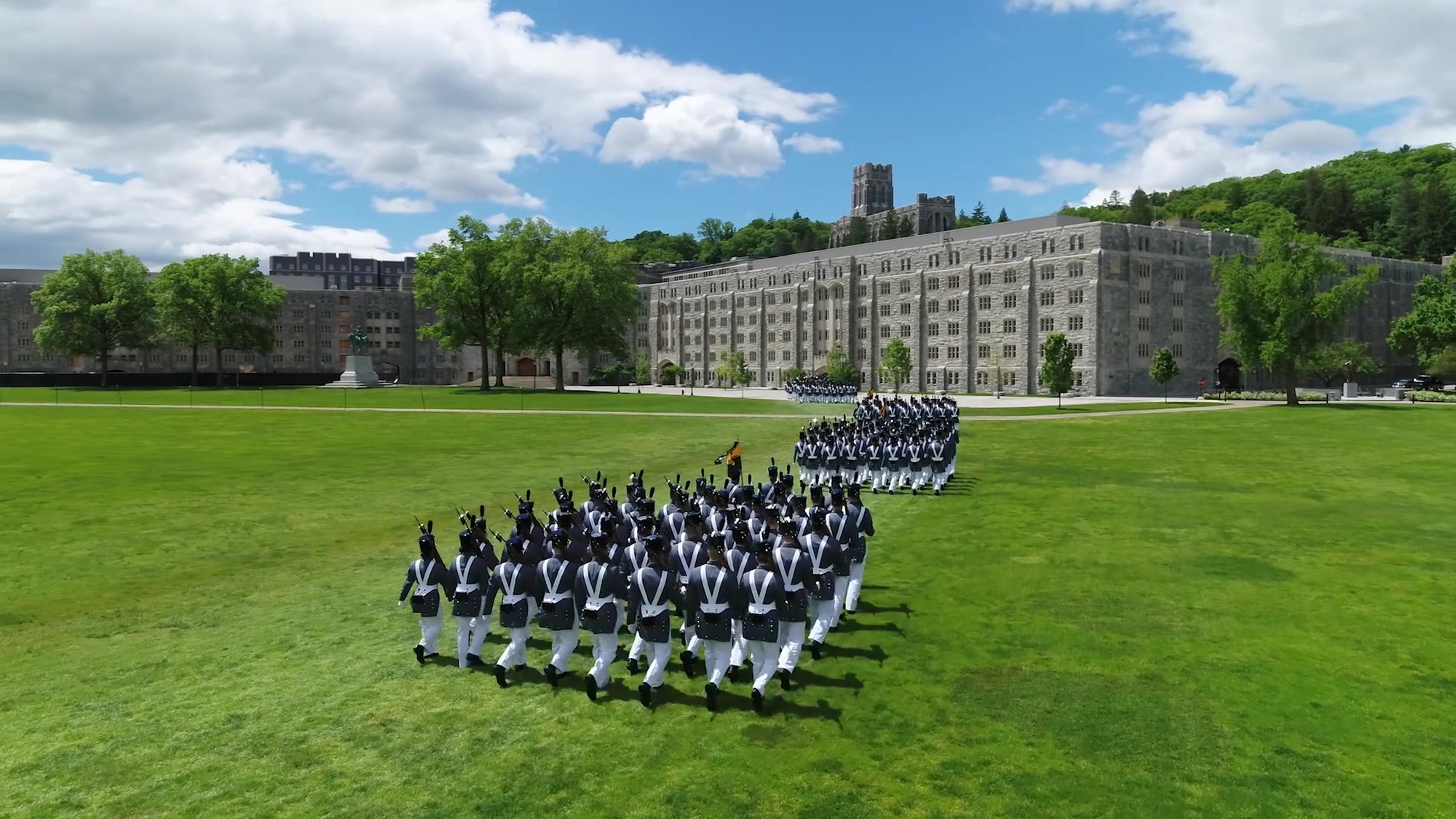
Your tempered hearts safeguard liberty,
May Duty, Honor, Country ever be.
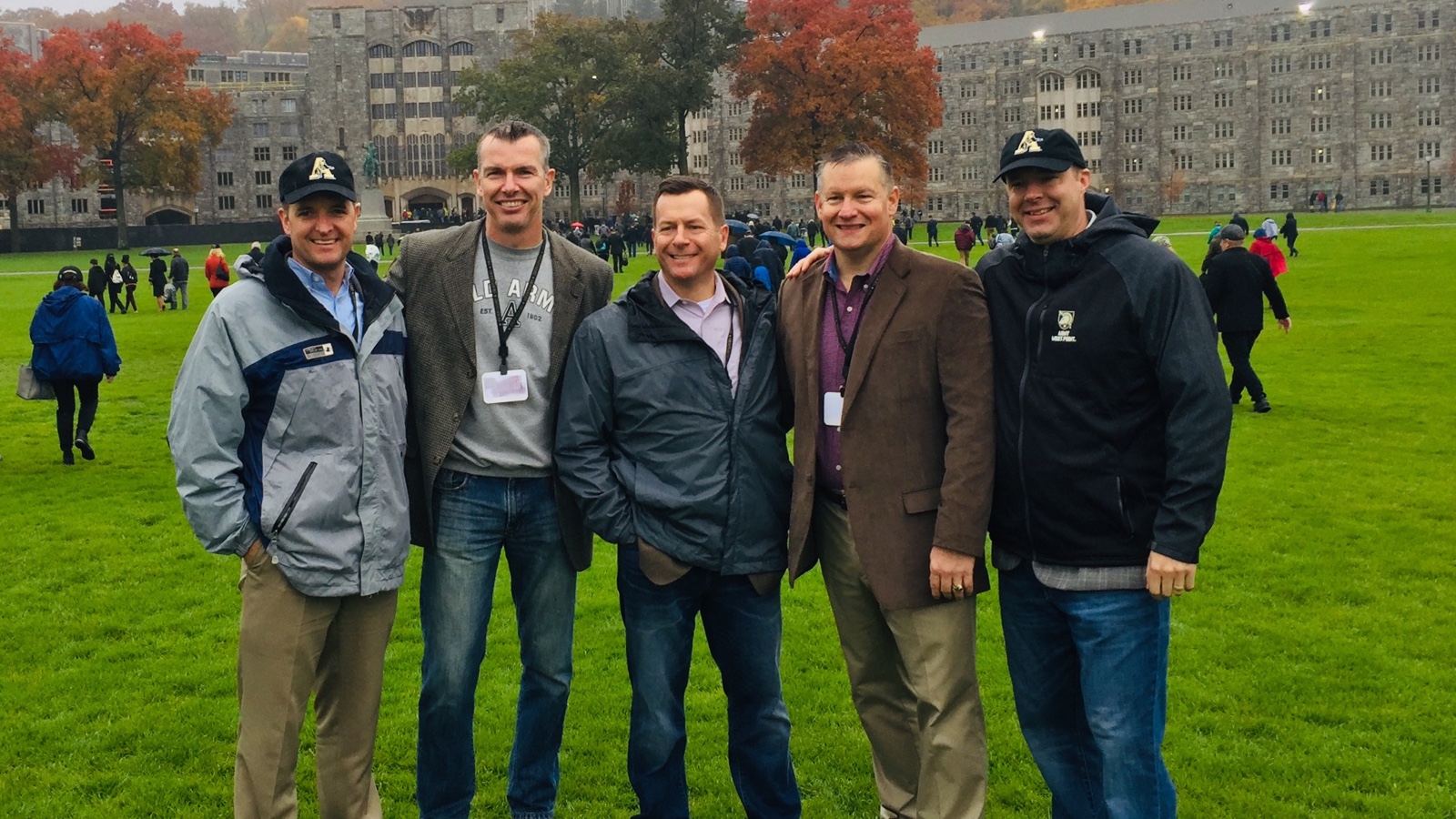
Grip granite hands, young and old,
We sons and daughters of the Corps.
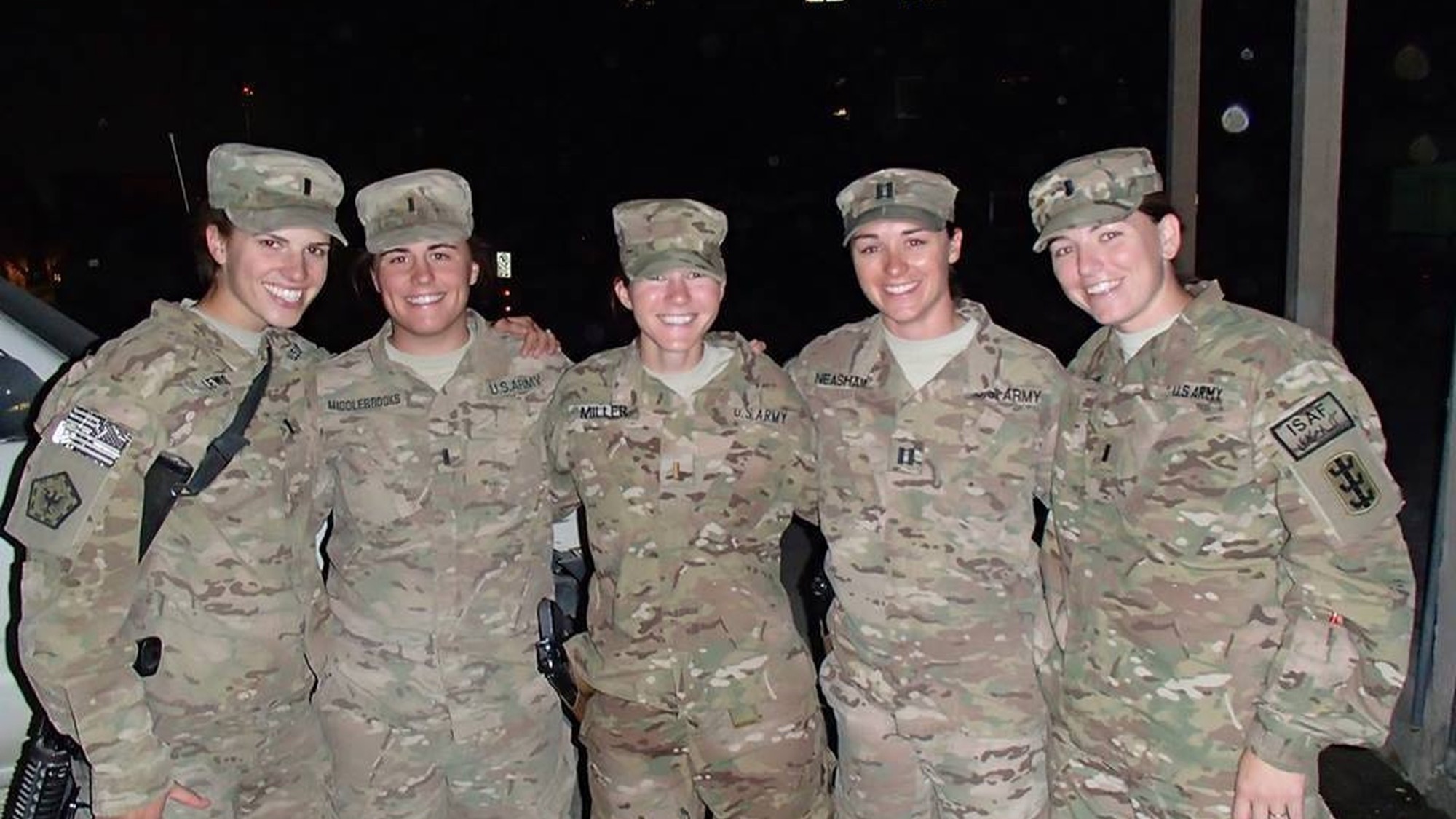
The Long Gray Line, forever strong;
Bonded on the battlefields of war.
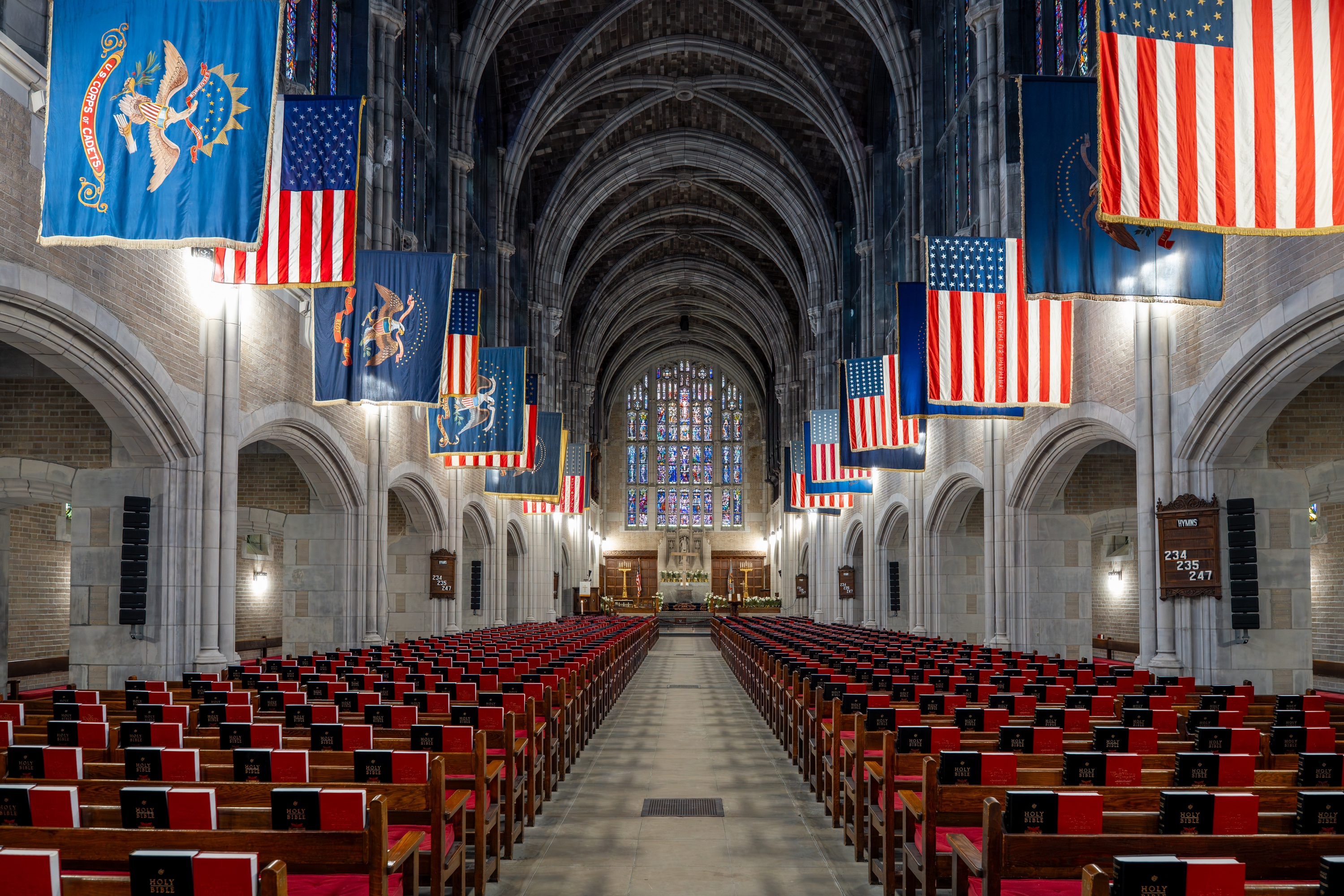
As my light fades, Thy flame endures,
To guide the way for true and pure;
And this remains our prayer for thee,
May Duty, Honor, Country ever be.
Duty, Honor, Country ever be.
THE ORIGINAL VOICES
Six Pack is a West Point vocal brotherhood formed during Cadet Basic Training in 1989. Across decades of service, reunion, and song, the group has honored America and carried friendship forward in harmony. In 2018, Six Pack became the first ensemble to sing “Duty, Honor, Country.”
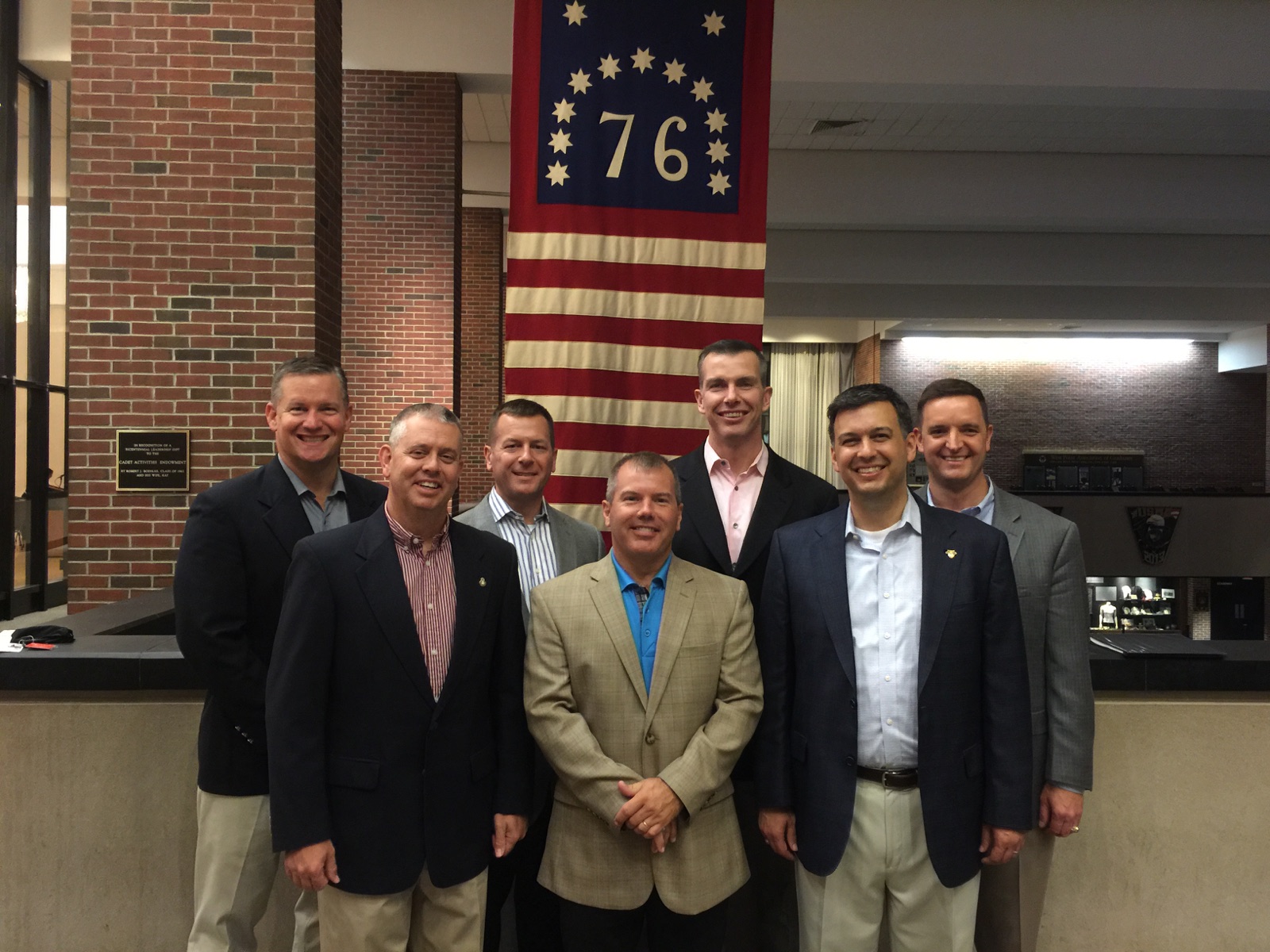
As cadets, they sang for Academy and Olympic events, members of Congress, presidents, sporting events, and nationally televised programs. Their Army careers carried them through peace and war, while the friendship that began in song endured across more than three decades.
MAJ Tony Ray ’93Manager
Members of Six Pack served as a sounding board while the song took shape—talking through language, testing phrases, and helping the lyric find words that felt true to West Point and the Class of 1993. Their contributions are not individually attributed in the formal song credit, but they belong in the story of how the lyric came together.
The Class of 1993 motto lives quietly inside the lyric. Its language of defending freedom and carrying the flame offers Easter eggs for classmates—a private recognition inside a song intended for the whole Long Gray Line.
Songwriting and arrangement: COL H.D. “Doug” McInvale ’93 and Master Sgt. Michael Reifenberg, West Point Band.
CARRIED BY THE CORPS
Against the vastness of the Grand Canyon, cadet voices carry “Duty, Honor, Country” into a landscape as enduring as the ideals in the song.
WEST POINT CADETS · GRAND CANYON
“Duty, Honor, Country” carried forward by the Corps ·
VETERANS DAY 2023
Written in 2018 by Master Sergeant Michael Reifenberg and COL H.D. “Doug” McInvale ’93, “Duty, Honor, Country” speaks to service and sacrifice—to bonds formed on battlefields and forged among those who serve.
Recorded by the West Point Glee Club in 2019, the work has been described as the first traditional song added to the Academy’s musical canon in more than a century. Since then, it has traveled to concerts and ceremonies across the country, including a performance at the Grand Canyon.
For Veterans Day 2023, the Asbury Orchestra brought the song into a full orchestral setting. This performance debuts a full-percussion arrangement by Caleb Garrison.
ASBURY ORCHESTRA · VETERANS DAY 2023
Full-percussion arrangement by Caleb Garrison ·
“This remains our prayer for thee,
may Duty, Honor, Country ever be.”
IN PRINT · THE WEST POINT SONGBOOK
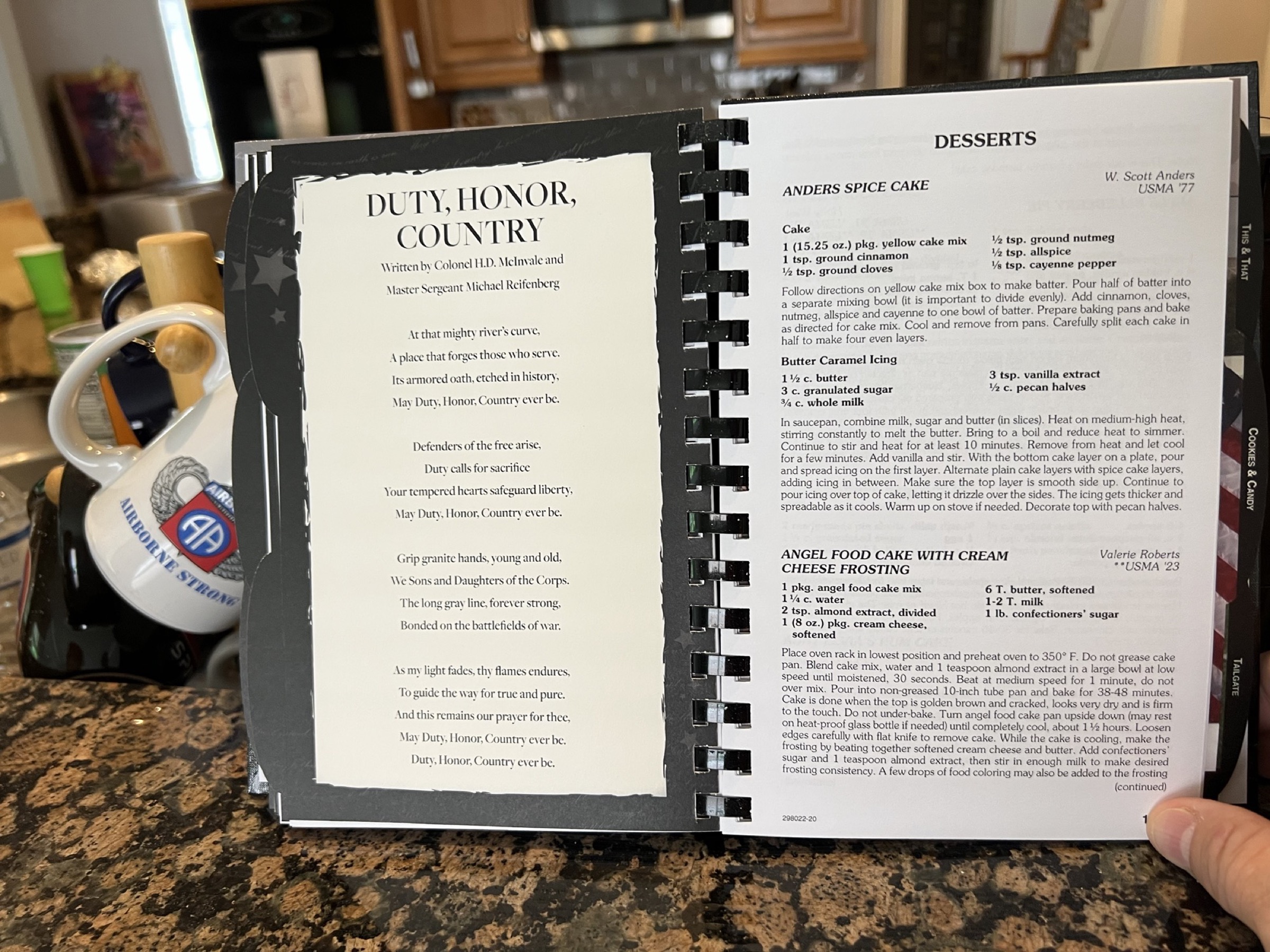
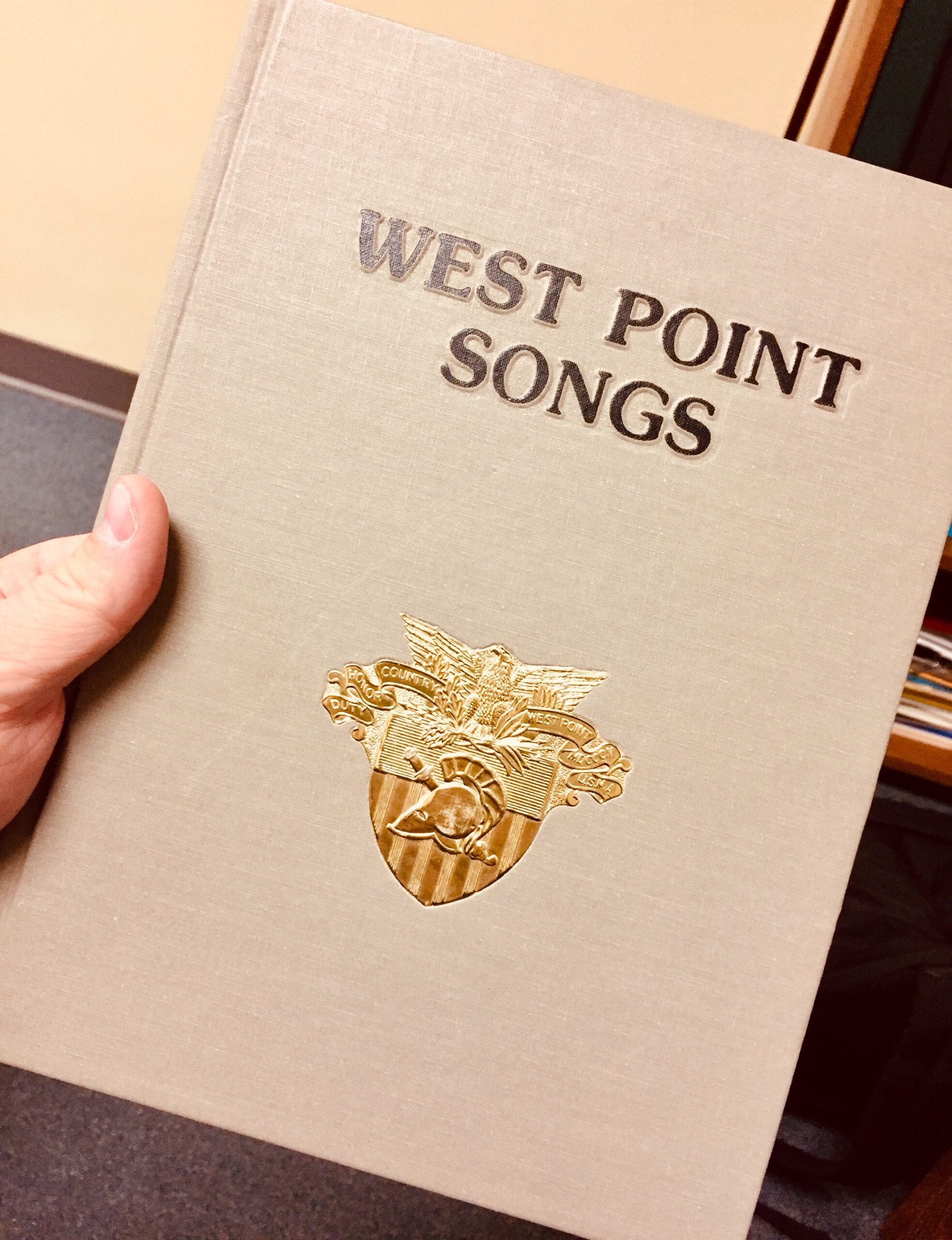
“Duty, Honor, Country” was featured in the Sing Second Cookbook, published in 2020 alongside other notable works from the canon of West Point music.
Photograph supplied by COL H.D. “Doug” McInvale ’93.
IN THE PRESS · CADET · ISSUE 17
RADIO GA GA · TRUE & PURE
CADET’s Editor’s Desk placed the song in its West Point culture roundup, introduced it as the Academy’s first new song in a century, credited COL H.D. McInvale ’93 and MSG Michael Reifenberg, and printed the complete lyric.
SHEET MUSIC · FREE LEAD SHEET + PROTECTED ARRANGEMENTS
The melody-and-words lead sheet is a free public reference copy. COL Howard D. “Doug” McInvale, U.S. Army (Retired), also maintains full orchestral, SATB mixed-choir, and TTBB men’s-voice scores and parts. Those protected arrangements are available upon request to verified eligible groups and are delivered with the Restricted End-User License Agreement shown below.
LICENSE TERMS · EFFECTIVE SEPTEMBER 13, 2026 Notice: This is a legally binding contract. Downloading, printing, performing, distributing, or otherwise using the Work constitutes agreement to every term below. Unauthorized use automatically terminates this license and constitutes copyright infringement. Subject to the strict terms of this Agreement, the Licensor grants a royalty-free, non-exclusive, non-transferable license to use, print, rehearse, and perform the Work strictly as written, exclusively to these Authorized Groups: Any entity or use case not explicitly named in Section 1 is barred from using the Work for free. A separate, paid commercial license must be secured directly from COL Howard D. “Doug” McInvale, U.S. Army (Retired), before use. This restriction includes: Authorized U.S. Educational Institutions and other Authorized Groups may perform the Work strictly as written and provided. This Work is an expression of American artistic heritage. Under no circumstances may the Work be licensed to, transferred to, or used by: The Licensor maintains specialized arrangements of the Work, including full orchestral scores and choral settings for SATB and TTBB. These arrangements are held securely by the Licensor and are available upon request only to verified members of the Authorized Groups in Section 1. Every delivered arrangement remains fully bound by this EULA. The EULA must be appended to the score or parts when they are sent, and the recipient must be reminded that receipt and use are conditioned on these terms. This Agreement is governed by the federal copyright laws of the United States of America and the laws of the State of Alabama, without regard to its conflict-of-laws principles. Any legal action or dispute arising from or relating to this EULA shall be brought exclusively in a state or federal court of competent jurisdiction located in the State of Alabama, and each party consents to that jurisdiction and venue.
Restricted End-User License Agreement (EULA)
Licensing correspondence
COL Howard D. “Doug” McInvale, U.S. Army (Retired)
c/o Lima Consulting Group, Inc.
40 Lloyd Avenue, Suite 108B
Malvern, PA 19355 USA
Read the complete license agreement
1. Grant of Gratis (Free) License
2. Exclusions and Commercial Uses (Require Separate Paid License)
3. Restrictions on Derivative Works and Arrangements
4. Sovereign Territorial and Ideological Protection
5. Availability of Additional Arrangements
6. Governing Law
COL Howard D. “Doug” McInvale, U.S. Army (Retired), maintains full orchestral, SATB mixed-choir, and TTBB men’s-voice scores and parts. Request them below. Eligible recipients receive the applicable score or parts with this EULA appended and a reminder that receipt and use are governed by its terms.
ADD YOUR VOICE TO THE ARCHIVE
Share what the song means to you.
No account is required. Leave a memory, reflection, or connection to the song. Every submission is held for administrator review; administrators may approve, edit, mark as spam, or delete it before or after publication. To request removal of your own published reflection, contact the archive administrators.
Be the first to add a reflection for the moderated song archive.